Can Tree Roots Damage Your Foundation?
As a Minnesota homeowner, you may wonder whether the beautiful trees shading your property pose a risk to your foundation. The short answer is yes—tree roots can damage foundations, but the risk depends on several factors including tree species, distance from your home, soil type, and the health of your foundation. Understanding which trees are problematic and how to mitigate risk helps you maintain both a beautiful landscape and a structurally sound home.
How Tree Roots Cause Foundation Damage
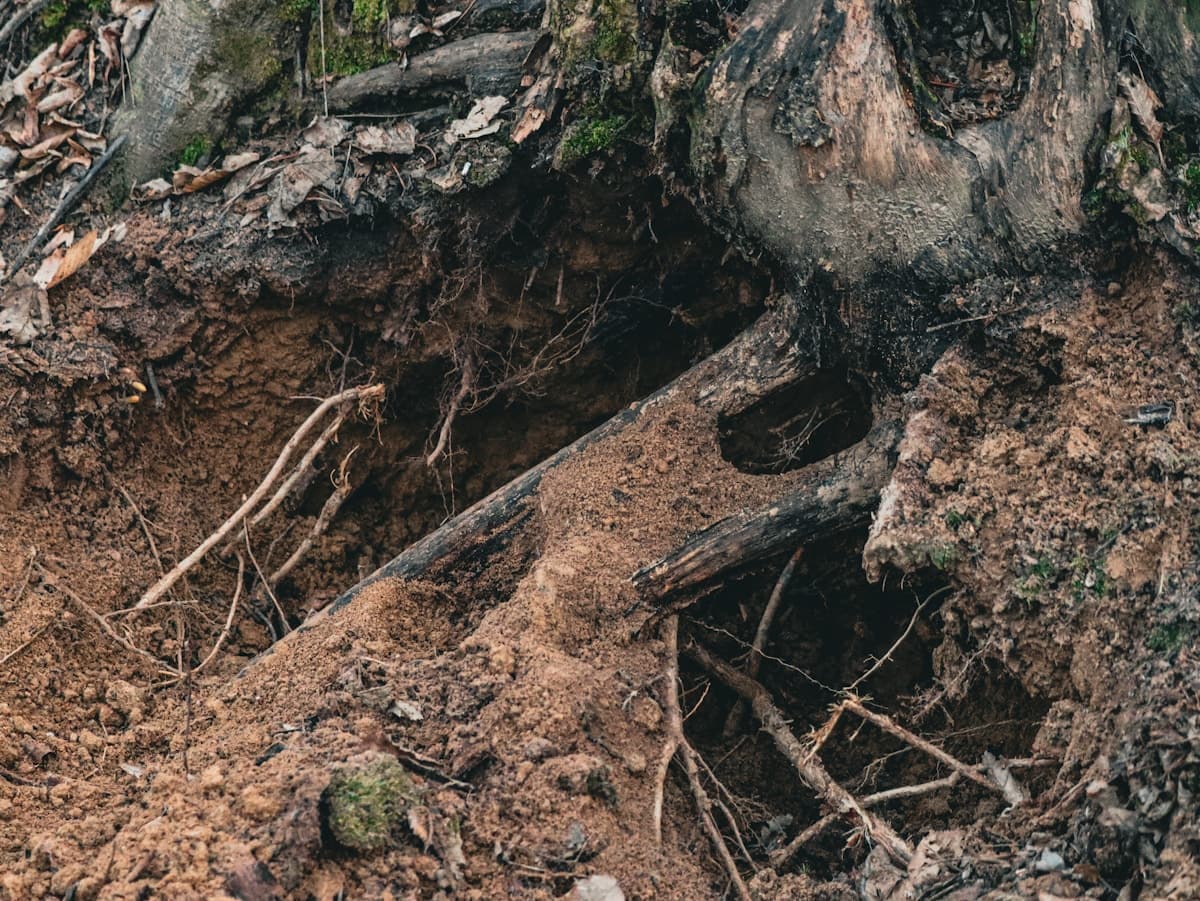
Tree roots don't deliberately attack foundations, but they can cause damage through several mechanisms. As roots grow and expand, they can exert pressure on concrete, cracks, and mortar. More commonly, tree roots seek moisture and nutrients, growing toward areas near foundations where moisture accumulates from drainage or leaks. In Minnesota's clay-heavy soils, trees can cause problems by extracting water from soil near foundations, causing the soil to shrink and settle unevenly. This differential settling creates stress on foundation walls and concrete slabs.
Conversely, when trees die or are removed, their roots decompose and the soil contracts, potentially causing subsidence. This is why the decision to remove a large tree near your home is significant and should involve professional assessment.
Which Trees Are Most Problematic?
Certain tree species are more aggressive root-growers and pose greater risk to foundations. In Minnesota, the most problematic trees include:
Willows are notorious for invasive roots. Their roots grow rapidly, extend far from the tree, and aggressively seek moisture. Willows should never be planted close to structures.
Maples, particularly silver maples, have extensive, shallow root systems. While generally hardy Minnesota trees, they can be problematic if located too close to homes.
Ash trees have relatively aggressive root systems and are currently a concern for Minnesota homeowners due to emerald ash borer infestation. If you have ash trees, learn about managing emerald ash borer in Minnesota.
Poplars and cottonwoods are soft woods with water-seeking roots that easily penetrate cracks and poor soil.
Elm trees have far-reaching root systems that can extend well beyond their canopy spread.
Better choices for planting near homes include oaks, crabapples, and other trees with deeper, less aggressive root systems. Our guide to the best shade trees for Minnesota includes options that are less problematic near structures.
Safe Distance from Foundations
A common guideline is to plant trees at a distance equal to their mature height from your foundation. A tree with a mature height of 40 feet should be planted at least 40 feet from your home. However, this is not absolute; individual circumstances vary based on soil type, drainage, tree species, and local conditions.
For existing trees already near your home, an arborist can assess the specific risk. Some trees pose minimal risk even close to homes, while others should be removed regardless of foundation proximity. The safest approach is professional evaluation.
Signs of Tree Root Foundation Damage
Several warning signs indicate potential root damage to your foundation. Stair-step cracks in brickwork or concrete are a classic indicator of foundation settling. Cracks that appear suddenly or widen over time warrant professional structural evaluation. Interior signs include cracked drywall, doors and windows that stick or don't close properly, and visible gaps between walls and trim.
If you notice these signs and have large trees near your home, a structural engineer should evaluate your foundation while a tree professional assesses whether the trees are contributing to the problem.
Prevention Strategies
The best approach to tree-root foundation problems is prevention. When planting new trees, research species characteristics and plant them at appropriate distances from structures. Improve drainage around your home so soil stays properly moist but not saturated—this reduces the attraction of roots to foundation areas. Keep gutters clean and ensure downspouts direct water away from your home's foundation.
Address any foundation cracks or leaks promptly; don't allow water to accumulate near your foundation. Water creates an attractive environment for root growth and allows roots to penetrate existing cracks more easily.
Managing Existing Problem Trees
If you have large, water-seeking trees near your home, several options exist. You can remove the tree entirely and replace it with a more suitable species. Alternatively, if the tree is otherwise healthy and desirable, you can install root barriers—physical barriers beneath the soil that deflect roots away from structures. Root barriers work best when installed before roots reach the foundation area.
If a tree truly threatens your home's structural integrity or has been significantly damaged, removal is the safest option. Holtz Tree Service provides expert evaluation and professional tree removal services throughout the Minneapolis-St. Paul area.
Professional Assessment Is Key
The relationship between trees and foundations is complex, and each situation is unique. Before making decisions about tree removal or structural modifications, consult both an arborist and a structural engineer. An arborist can identify which trees pose real risks versus those that are harmless. A structural engineer can assess whether foundation damage is actually root-related or caused by other factors.
At Holtz Tree Service, we work with homeowners to evaluate tree risks to their properties. We provide honest assessments and help you find the best solutions—whether that's keeping trees and managing them carefully, or removing problematic trees to protect your home.
If you're concerned about trees near your foundation, contact us for a professional free estimate and evaluation. We serve Minneapolis, St. Paul, Plymouth, Brooklyn Park, Maple Grove, and Blaine with expert tree care guidance.