Emerald Ash Borer: What Minnesota Homeowners Should Know
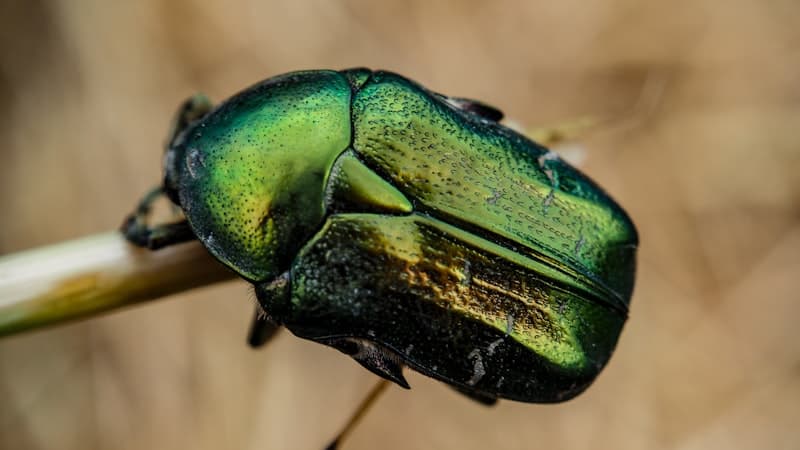
The Emerald Ash Borer (EAB) represents one of the most significant threats to ash trees in Minnesota and across North America. This devastating pest has already claimed millions of ash trees since its discovery in 2002, and Central Minnesota homeowners need to understand this threat to protect their properties. At Holtz Tree Service, we help residents identify and manage EAB infestations before they result in complete tree loss.
Identifying Emerald Ash Borer Damage
The first step in protecting your ash trees is learning to recognize the signs of EAB infestation. The most distinctive indicator is the presence of D-shaped exit holes, typically about 1/8 inch in diameter, found in the bark of infected trees. These perfectly shaped holes are created when adult beetles emerge from the tree, leaving a unique pattern that distinguishes them from other wood-boring insects.
If you peel away the outer bark of a suspected tree, you may also observe S-shaped galleries created by the larvae as they feed beneath the bark. These winding tunnels disrupt the tree's ability to transport water and nutrients, leading to rapid decline. Additionally, infested ash trees often display canopy dieback starting at the top of the tree, thinning foliage, and increased woodpecker activity as birds feed on the larvae.
The EAB Infestation Timeline
Understanding the progression of an EAB infestation can help you take timely action. The beetle's life cycle typically spans one to two years in Minnesota's climate. Adult beetles emerge in late spring (May through July) and feed on ash foliage before laying eggs in tree bark crevices. Within two weeks, eggs hatch and larvae begin boring into the tree. Throughout summer and fall, larvae feed extensively beneath the bark, causing the most damage.
By the time visible symptoms appear—canopy dieback and exit holes—the infestation is often well-established. This is why regular inspections of your ash trees are crucial. Early detection can make the difference between saving a tree and losing it.
Treatment Options for EAB
If your ash tree is in the early stages of EAB infestation, there are treatment options available. Emamectin benzoate is an effective insecticide that can be injected into the tree to kill larvae before they cause extensive damage. This treatment works best on ash trees that still maintain healthy crown density (more than 50% of the canopy intact).
Treatment typically requires multiple applications over consecutive years and works best as a preventive measure on ash trees in high-value landscape settings. However, once a tree is heavily infested and showing significant canopy loss, removal becomes the more practical and economical option. Our team at Holtz Tree Service can assess your specific situation and recommend the most appropriate course of action, whether that's disease treatment or tree removal.
When Removal Becomes Necessary
As EAB infestations progress, tree removal becomes inevitable. A heavily infested ash tree poses several risks: dead branches can fall and cause injury or property damage, and the tree's structural integrity deteriorates rapidly. Additionally, leaving dead ash trees standing creates a breeding ground for additional beetles, which can spread to neighboring properties.
In Minnesota's quarantine zones, which include many areas of Central Minnesota, there are regulations regarding ash tree movement and disposal. Understanding these requirements is essential for proper removal and cleanup. Professional tree removal by certified arborists ensures compliance with state regulations while maintaining safety and minimizing impact on your landscape.
Minnesota's EAB Quarantine Zones
The Minnesota Department of Agriculture has established quarantine zones to slow the spread of EAB. If you live in areas like Saint Cloud or Little Falls, you should be aware of quarantine restrictions on moving ash wood, nursery stock, and other potential carriers of the beetle. These regulations help protect uninfested areas and are important for responsible property management.
Need Professional Help?Holtz Tree Service provides expert disease treatment and tree removal services throughout Central Minnesota. Call us at (612) 600-8513 or request a free estimate today.