The Best Shade Trees to Plant in Minnesota
Selecting the right shade trees for your Minnesota landscape requires understanding which species thrive in our climate zone and which ones deliver the benefits you're seeking. A well-chosen shade tree provides cooling, property value increase, privacy, and natural beauty for decades. However, planting the wrong species leads to maintenance problems, disease issues, and disappointing results. Holtz Tree Service helps Central Minnesota homeowners choose and care for shade trees that will flourish in our region.
Red Maple: A Minnesota Favorite
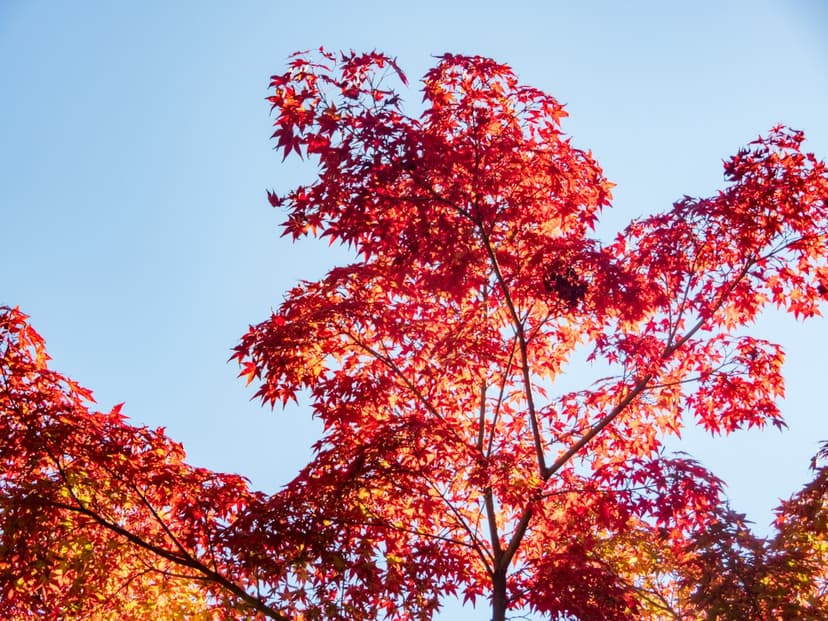
Red maple is an excellent choice for Minnesota landscapes, thriving in hardiness zones 3-9. This native species grows rapidly, reaching mature heights of 40-60 feet with a spread of 25-40 feet. Red maples tolerate both wet and dry soils, making them adaptable to various landscape conditions. Their brilliant fall color ranges from orange to deep red, providing stunning autumn displays. The species is relatively disease-resistant and provides good shade without excessive leaf drop problems. Spring interest comes from small red flowers that appear before the leaves emerge.
Bur Oak: A Native Giant
Bur oak is a native Minnesota species that's truly a champion shade tree for the long term. Growing to heights of 50-80 feet at maturity, these mighty oaks provide substantial shade and have an impressive lifespan exceeding 300 years. They're hardy in zones 3-8 and are extremely drought-tolerant once established. Bur oaks grow slowly initially but develop a strong structure excellent for eventual pruning and tree maintenance. Their thick bark resists pest and disease issues common in other species. The trade-off is patience—you're planting a legacy tree that rewards long-term perspective.
Hackberry: Underrated but Excellent
Hackberry is an often-overlooked native species that performs admirably as a shade tree in Minnesota. Hardy in zones 2-9, hackberries grow to 40-60 feet tall and develop a graceful, spreading crown. They're remarkably adaptable to various soil conditions, including poor, compacted, or slightly alkaline soils where other species struggle. Hackberries provide filtered shade that allows grass to grow beneath them—ideal for complete landscaping. They require minimal maintenance and support diverse wildlife. The only downside is the small fruit that some find messy, but most homeowners find this a minor issue compared to the tree's benefits.
Honeylocust: Fine-Textured Shade
Thornless honeylocust (cultivated varieties like 'Moraine' or 'Skyline') provides delicate, filtered shade that allows sunlight to reach lawn and plantings below. Growing 30-50 feet tall with a similar spread, these trees are hardy in zones 3-8. The fine-textured foliage creates a sophisticated appearance while the filtered shade promotes healthy grass growth. Honeylocusts establish quickly and are relatively pest-resistant when disease-resistant cultivars are selected. They're excellent for hot, dry sites and tolerate urban conditions well.
Sugar Maple: Beautiful but Demanding
Sugar maples epitomize New England landscapes, and they also grow in Minnesota, particularly in the northern portion of the state where they're hardiest (zones 3-8). Their dense, rounded canopy provides excellent shade, and their fall color is legendary. However, sugar maples are fussy about site conditions—they prefer cool, moist, well-drained soils and don't tolerate urban heat, drought, or soil compaction. They're also susceptible to several insects and diseases. If you have ideal conditions (cool, moist soil), sugar maples are spectacular. Otherwise, consider the more adaptable red maple instead.
American Linden: Graceful and Fragrant
American linden (also called basswood) grows to 60-80 feet and develops a dense, pyramidal crown that matures into a rounded form. Hardy in zones 2-8, lindens are extremely cold-hardy and long-lived. They produce fragrant cream-colored flowers in early summer that bees and other pollinators love. The heart-shaped leaves turn attractive yellow in fall. Lindens tolerate urban conditions, air pollution, and various soil types. They're excellent for providing substantial shade and supporting pollinator populations while requiring relatively minimal maintenance.
Species to Avoid in Minnesota
Silver maple and box elder might seem attractive, but both are problematic for Minnesota landscapes. Silver maples are weak-wooded, prone to storm damage, and have aggressive root systems that heave sidewalks and damage foundations. Box elders self-seed prolifically, grow weak branching structures, and attract boxelder bugs. They're better removed than planted. Ash species have also become problematic due to emerald ash borer disease, making them poor choices for new plantings.
Planting Tips for Success
Plant shade trees in spring or early fall when soil moisture is adequate and temperatures are mild. Choose sites with appropriate light (full sun for most shade trees), adequate space for mature size, and reasonably well-drained soil. Dig planting holes no deeper than the root ball—planting too deep is a common and fatal mistake. Water regularly during the first two years while roots establish. Mulch around the base with 3-4 inches of wood chips, keeping mulch a few inches away from the trunk.
Proper tree trimming during the first few years encourages strong structure. Remove competing leaders (trees should have one main trunk), thin crowded branches, and remove any branches showing weakness. This early investment in proper maintenance prevents extensive corrective work later. Regular tree disease monitoring helps catch problems early when interventions are most effective.
Regional Recommendations for Central Minnesota
In areas like Elk River, where soils and climate vary across the region, consulting with local arborists helps ensure species selection matches your specific property. Some locations get more extreme weather, while others have more consistent conditions. A professional can recommend cultivars and species best suited to your microclimate.
Need Professional Help?Holtz Tree Service helps Central Minnesota homeowners plant and maintain shade trees. We provide expert tree trimming, shrub maintenance, and disease treatment. Call us at (612) 600-8513 or request a free estimate today.