Tree Damage Insurance Claims: A Homeowner's Guide
When storms damage trees on your property, it's natural to wonder whether your homeowners insurance will cover the costs of removal and cleanup. The answer depends on your specific policy, the type of damage, and how the damage occurred. This guide walks you through what's typically covered, how to document the damage yourself, and how to file your own claim. Holtz Tree Service does not handle insurance claims, work with adjusters, or document damage for insurance purposes — homeowners deal with their insurance company directly. What we provide is a written receipt for the tree work we perform, which you can submit along with your own claim materials.
What Tree Damage Is Typically Covered
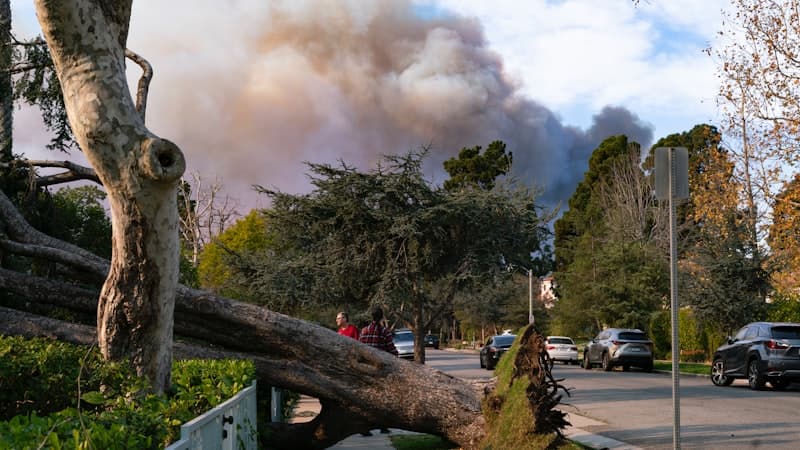
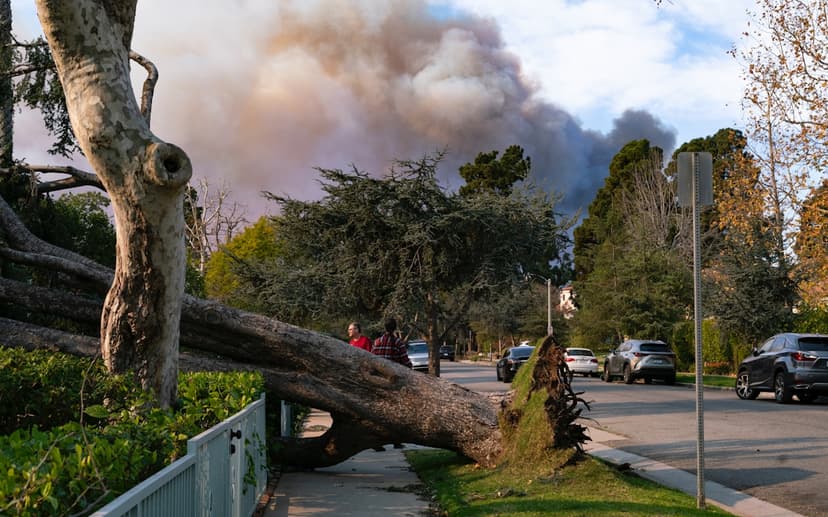
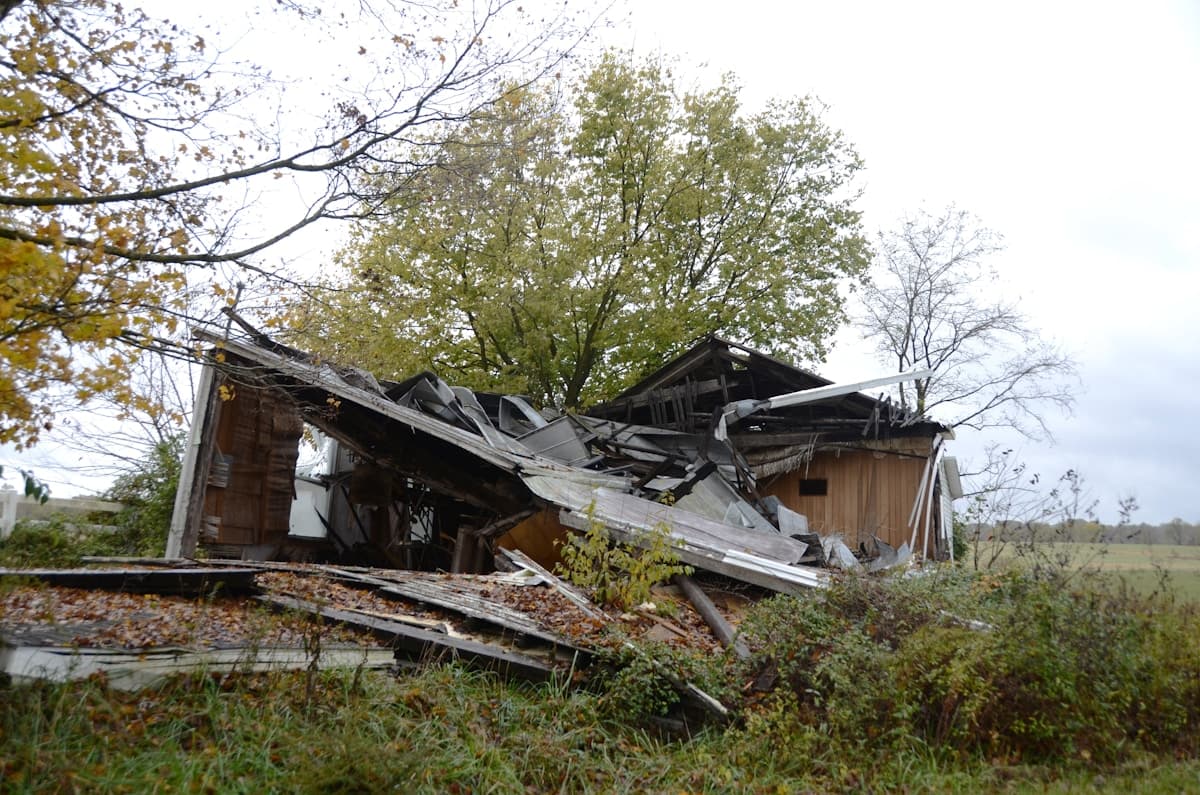
Most standard homeowners insurance policies cover tree damage only under specific circumstances. If a tree falls on your home, garage, shed, or other insured structure and damages that structure, the damage to the structure is generally covered (subject to your policy's limits and deductible). The tree removal itself—taking down the fallen tree or its branches—is often covered as part of "debris removal," typically with a limit of $500-$1,000.
If a tree falls in your yard without hitting any structure, most policies do not cover removal. If a tree is damaged by weather but doesn't fall, removal is typically not covered. If a tree falls due to disease, insect infestation, or poor maintenance, most policies exclude coverage, viewing these as maintenance issues rather than weather events.
Common Exclusions to Be Aware Of
Damage to the tree itself is usually not covered—if a storm breaks branches but the tree doesn't fall on a structure, that's your responsibility. Removal of healthy or partially damaged trees for safety reasons is usually not covered. If a tree is diseased or infested and falls, many policies won't cover removal because disease and pests aren't considered weather events.
Routine tree care that was neglected (dead branches not removed, overgrown trees not trimmed, trees left in poor health) is also excluded. Debris-removal coverage has limits—usually $500-$1,500 total—so emergency tree work that costs more than that may leave you with a balance to pay out of pocket. Read your policy or call your agent to confirm specifics for your situation.
What to Do as the Homeowner: Document Your Own Damage
Insurance documentation is your responsibility. Holtz Tree Service does not photograph damage for claims, meet your adjuster on-site, or assemble evidence packages. Here's what you should do:
- Take your own photos and video from multiple angles as soon as it's safe. Capture the tree's condition, damage to structures, and the overall site. Do this before any cleanup begins—once debris is removed, the evidence is gone.
- Note the weather event: date, time, wind speeds, precipitation, and temperature. If the National Weather Service issued warnings, save that information. Note if neighbors had similar damage.
- List the structures and trees affected with as much specificity as possible.
- Keep all receipts—including the receipt we provide for tree work performed.
Filing Your Claim Yourself
Contact your insurance company promptly. Most policies have time limits for claim reporting. Provide your own photos, weather information, and damage descriptions. Be specific: "Oak tree fell on roof" is better than "damage from tree."
Get estimates for tree removal before the adjuster visits—this shows you're being reasonable about costs. However, don't contract for removal until the adjuster has evaluated the claim, unless the downed tree is truly dangerous and blocking access.
Request that the adjuster inspect the damage in person. Insurance companies rarely approve claims without an in-person assessment, and you'll be the one walking them through what happened.
Working With Your Adjuster
You—not your tree service—will be the one talking to the adjuster. Be cooperative but clear. Explain what happened, provide your documentation, and be honest about the tree's condition before the storm. If the adjuster asks whether you'd maintained the tree, answer truthfully.
If the adjuster determines the tree was diseased or infested before the storm, they may exclude coverage. If you have records of recent tree care, present them. Never exaggerate damage—it's insurance fraud and can invalidate the claim entirely.
Emergency Removal When You Can't Wait for the Adjuster
If a tree is creating immediate danger—blocking driveways, threatening to fall further, exposing your home to weather—you may need to remove it before the adjuster visits. Document everything yourself with photos and keep all invoices. Explain to the adjuster afterward that removal was necessary for safety. Holtz Tree Service can perform the emergency removal and provide a written receipt of the work, but you'll be the one explaining the situation to your insurer.
What Holtz Tree Service Provides
To be clear about our role: when we complete tree work, we provide a written receipt describing the work performed and the cost. You can submit that receipt to your insurance company along with your own claim materials. We do not photograph damage for insurance purposes, do not work with adjusters, and do not help navigate the claims process. Insurance is between you and your insurer.
Prevention Is the Best Strategy
The best approach to tree damage insurance is prevention. Maintain your trees properly: remove dead branches, thin dense canopies, support weak branch unions, and address disease or pest issues promptly. Trees in good health are less likely to fail in storms—and proper maintenance also strengthens your position if you ever do need to file a claim.
Before storm season, walk your property and assess for hazardous conditions. Preparing your trees for Minnesota storm season is far more effective than hoping insurance will cover storm damage.