What to Do After Storm Damage to Your Trees
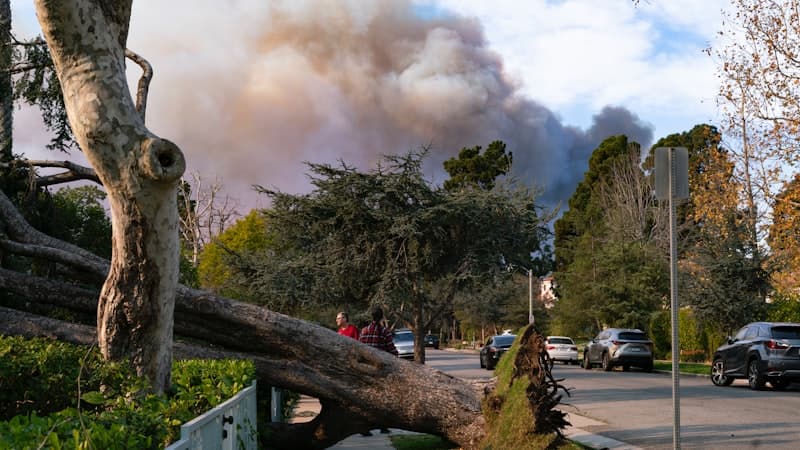
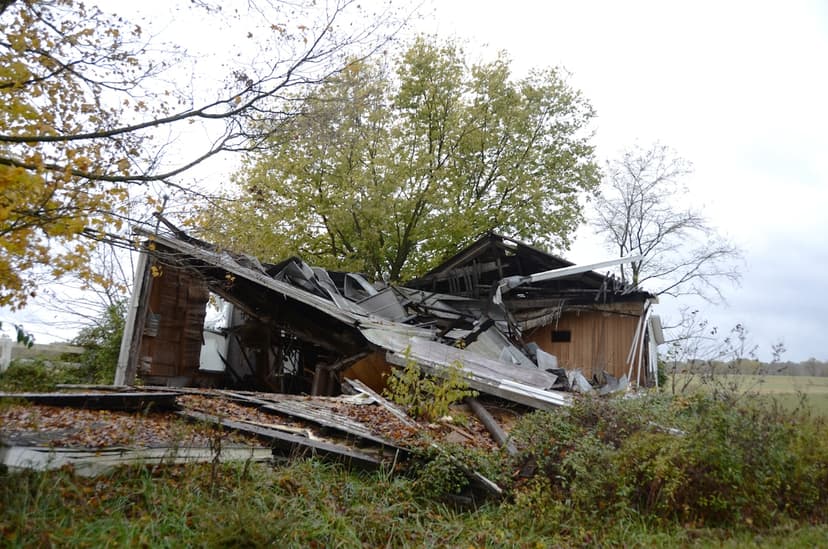
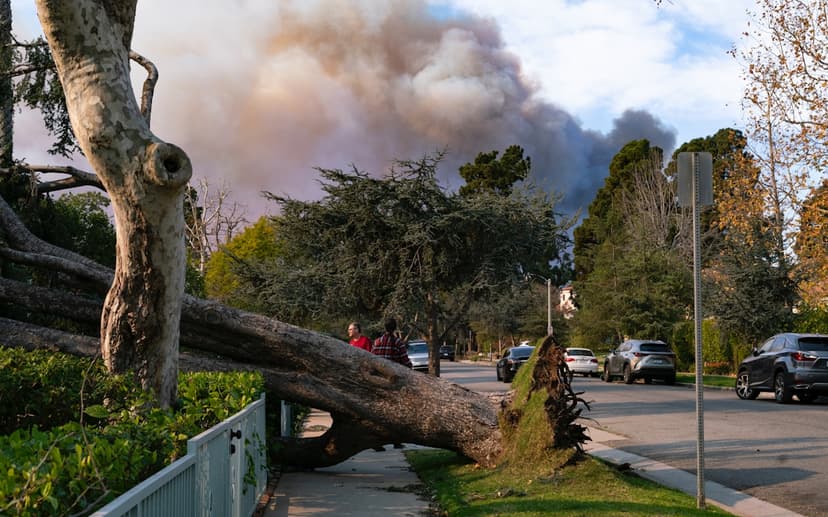
Minnesota storms can cause significant damage to trees, leaving homeowners uncertain about next steps. Strong winds snap branches, lightning can split tree trunks, and falling trees can damage structures or create hazardous situations. Knowing how to respond immediately after a storm—and what to do in the following days—helps minimize risk and set your property up for recovery. At Holtz Tree Service, we help Central Minnesota residents safely address storm damage and restore their landscapes.
Safety First: Assess Hazards Immediately
Immediately after a storm, your priority is safety, not cleanup. Walk your property carefully, watching for power lines that may have fallen into trees—never touch trees in contact with electrical lines. Look for hanging branches that could fall without warning; these "widow makers" are extremely dangerous and shouldn't be disturbed. Check for gas leaks if you smell gas, and contact your utility company rather than investigating yourself.
If large trees have fallen across your home, power lines, or driveway, call emergency services if there's any risk of electrocution or immediate danger. If the situation is urgent and you're in areas like Anoka, emergency response crews will address life-safety hazards. For non-emergency situations, photograph the damage for insurance documentation before attempting any cleanup.
Emergency vs. Non-Emergency Damage
Storm damage falls into two categories. Emergency situations require immediate professional attention and include trees blocking roads or driveways (preventing access), trees leaning dangerously toward structures, trees with branches hanging over power lines, and situations where damage creates imminent safety hazards. Emergency tree service should be your first call in these situations.
Non-emergency damage includes branches that have snapped but fallen safely to the ground, trees with bark damage or minor splitting, and branches that are broken but not creating immediate hazards. These situations can wait for estimates and scheduling, though it's best to address them within a few weeks to prevent disease and pest entry into fresh wounds.
Assessment Steps for Storm Damage
Once immediate hazards are secured, assess the damage systematically. Examine the main trunk for splits, cracks, or crushing damage. Check major branches for breaks—a tree with several major branches damaged may not be worth keeping. Look for bark stripping or peeling, which exposes wood to disease and pest damage. Check whether the tree is leaning; a freshly uprooted tree standing at an angle may fall as soil settles.
Trees that have lost 50% or more of their canopy, have large trunk damage, or are leaning significantly are usually candidates for removal rather than preservation. A tree recovering from severe damage requires years of care and may never return to full form. Sometimes tree removal is the most sensible choice after evaluating both safety and long-term viability.
Salvageable vs. Removal Decisions
Trees with minor branch damage and intact trunks are usually worth saving. Professional storm damage cleanup removes broken branches, promotes healing, and allows the tree to recover and reshape its canopy. The most important principle is removing branches properly—never leave branch stubs, and always cut back to the branch collar. Proper cuts allow the tree to compartmentalize the wound and prevent disease entry.
For deciduous trees (those that lose leaves), pruning immediately after the storm is fine. For evergreens, it's often better to wait until spring to assess winter damage and prune. Conifers have different healing physiology than deciduous trees and respond better to spring pruning after the growth season has begun.
Insurance Documentation and Claims
Document all storm damage with dated photographs from multiple angles before any cleanup begins. These photos substantiate insurance claims and protect you if the insurance company questions the extent of damage later. Take photos of the fallen tree or branches, the original location before cleanup, and any property damage caused by the trees. Write down the date and time of the storm and describe wind speeds and weather conditions if you know them.
Contact your insurance company promptly to report damage and ask about coverage. Most homeowners insurance covers tree removal if the tree has fallen or poses an imminent hazard, but coverage for preventive removal of a tree that could fall is rare. Some policies cover removal of trees that have fallen on the home; others only cover removal if the tree is obstructing access. Review your policy details and ask the adjuster about coverage before proceeding with expensive cleanup.
Cleanup Timeline and Process
For emergency hazards, cleanup is urgent—ideally the same day as the storm. For non-emergency damage, schedule cleanup within a week or two. Waiting longer increases the risk of disease and pest infestation entering fresh wounds and spreading to adjacent healthy trees. Fallen branches on the ground can be cleaned up at your convenience if they're not creating hazards, though prompt removal looks better and clears the yard for inspection and recovery efforts.
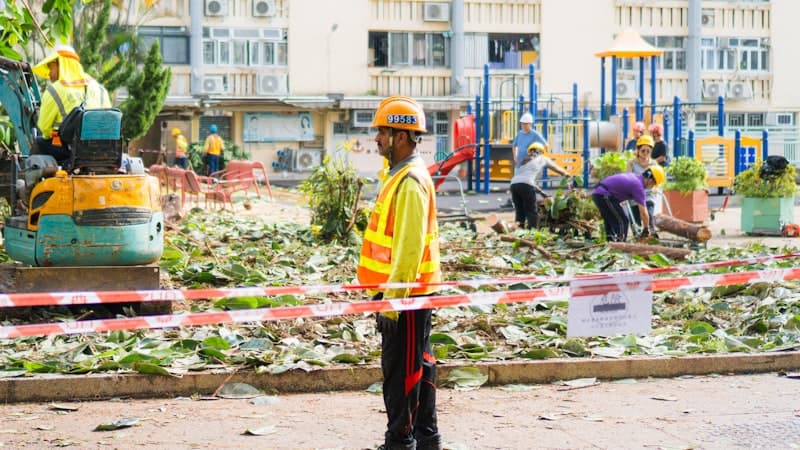
Professional cleanup removes broken branches, fallen trees, and debris while leaving the remaining tree structure intact and healthy. At Holtz Tree Service, we handle both emergency response and planned storm damage cleanup, ensuring your trees are properly assessed and your property is restored safely.
Monitoring Recovery and Prevention
After storm damage cleanup, monitor the affected tree's health through the next growing season. Water it regularly if drought conditions develop, and refrain from fertilizing heavily, which can promote weak growth vulnerable to future damage. Mulch around the base to reduce stress from root damage.
In subsequent years, proper tree maintenance—including selective tree trimming to improve structure and remove weak branches—helps prevent damage in future storms. Trees with strong central leaders, well-spaced branches, and good form are more resistant to storm damage than trees with crowded branching or poor structure.
Need Professional Help?Holtz Tree Service provides rapid response emergency tree service and comprehensive storm damage cleanup throughout Central Minnesota. Call us at (612) 600-8513 or request a free estimate today.