How to Prepare Your Trees for Minnesota's Summer Storms
Minnesota summers bring unpredictable weather—afternoon thunderstorms with powerful winds, occasional tornadoes, and heavy rain can strike quickly and cause significant tree damage. Many of the emergency tree situations we handle during summer could have been prevented with proper preparation. Taking time now to prepare your trees reduces the risk of damage to your property, home, and family during severe weather.
Understanding Minnesota's Summer Storm Risks
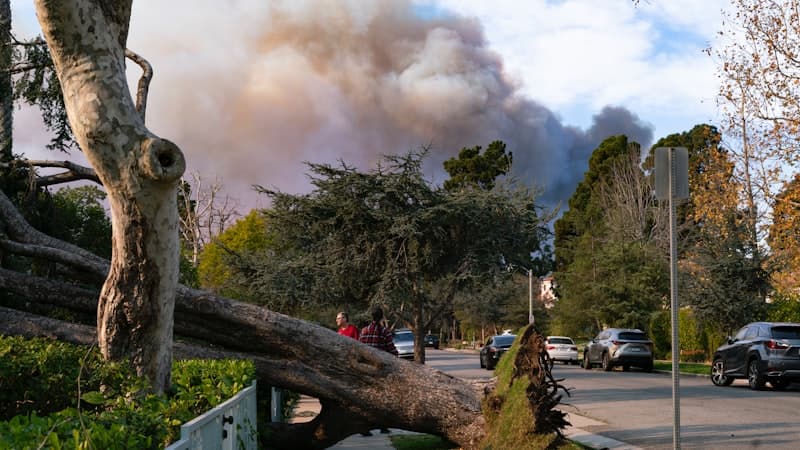
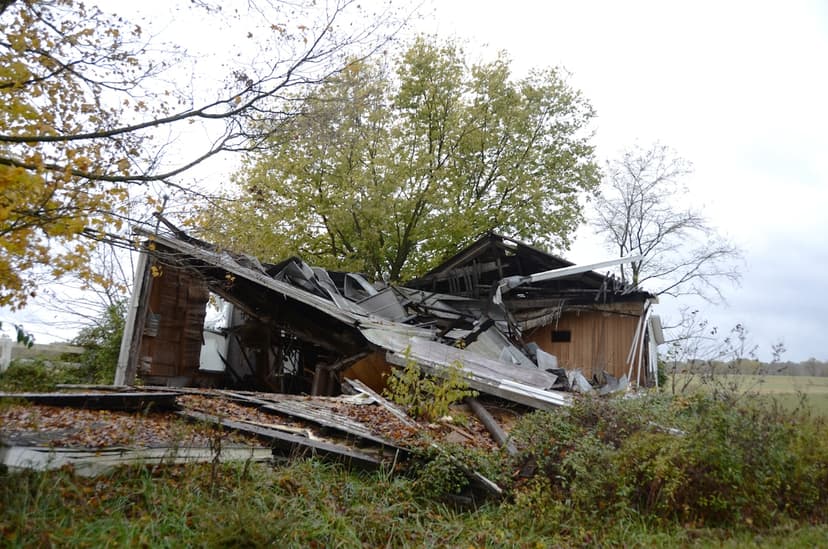
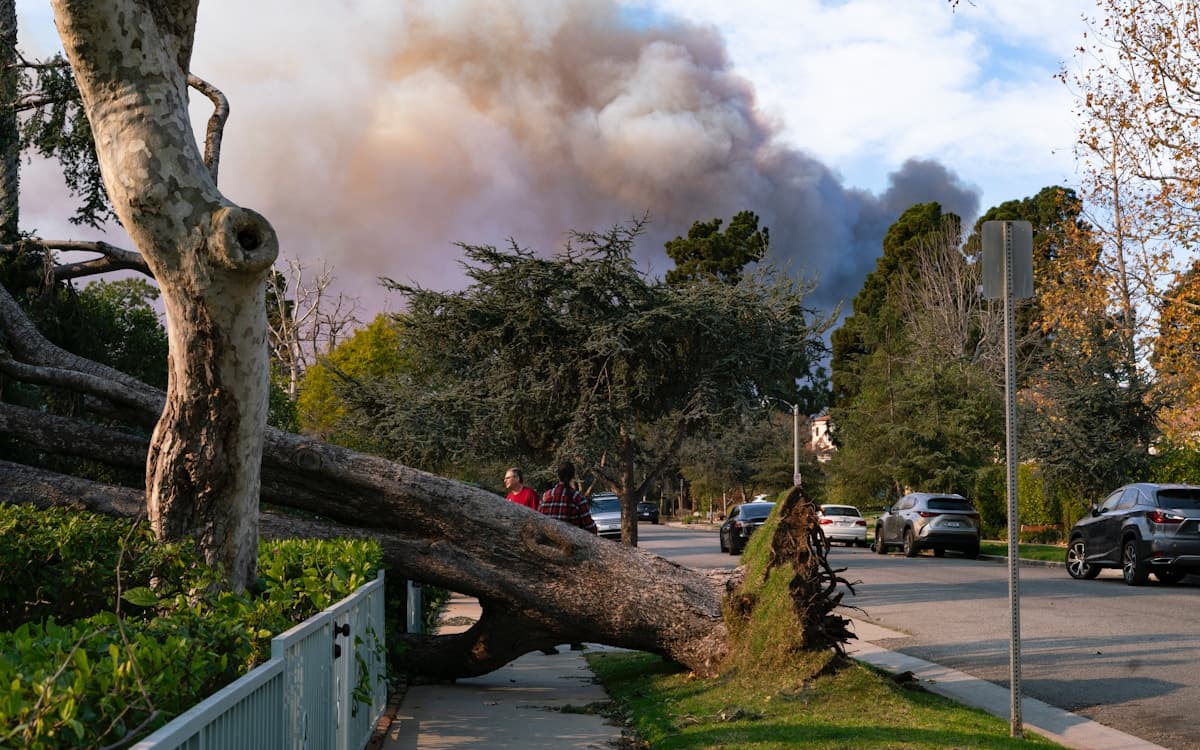
Minnesota experiences two primary summer storm threats. Thunderstorms bring high winds, lightning, and heavy rain that can snap branches, uproot trees, or create hazardous "widow makers"—dead branches hanging from trees. Tornadoes, while less common, cause catastrophic tree damage. The state average includes several tornado touchdowns each summer, particularly from June through August. Understanding these risks helps you take appropriate precautions.
Trees weakened by disease, pest infestation, poor structure, or previous storm damage are most vulnerable. Proper preparation focuses on strengthening your trees' ability to withstand stress and removing hazards before storms arrive.
Preventive Pruning and Structural Improvement
The single best preparation is professional pruning before storm season. Crown thinning removes some interior branches, reducing wind resistance while maintaining the tree's overall shape. This allows wind to pass through the canopy rather than creating force that breaks branches. Removing crossing or rubbing branches eliminates points of weakness.
Proper pruning also removes dead wood, weak branch angles, and hazardous limbs hanging over structures. An experienced arborist evaluates each tree's structure and prunes strategically to improve resilience. For specific guidance on oak and other common Minnesota species, see our guide on when to prune oak trees in Minnesota.
Stake or support any young trees or those with obvious lean. Trees that survived an earlier storm might have compromised root systems requiring support. Our tree trimming service addresses structural issues before summer storms hit.
Identifying Hazard Trees
Walk your property and look for warning signs. Dead trees or large dead branches have the highest risk of failure. Trees with cavities, large wounds, or fungal growth indicators (mushrooms at the base, shelf fungi on the trunk) may be structurally compromised. Leaning trees, trees with multiple stems from one base, or those with obvious decay deserve professional inspection.
If you notice trees that look unhealthy or unsafe, schedule an assessment. Many tree hazards aren't obvious to untrained eyes—dead branches high in the canopy, internal decay, or previous storm damage that created weakness. Understanding signs a tree needs removal helps you catch dangerous situations early.
Create an Emergency Preparation Plan
Before summer storm season officially begins, have a plan. Know which trees overhang your home, garage, or deck. These should be prioritized for inspection and pruning. Identify trees near power lines—these create emergency situations if they fail. Ensure your homeowner's insurance covers storm-related tree damage (it often does, with specific limits).
Have your tree service's contact information readily available. During and immediately after storms, professional services get overwhelmed. Knowing who to call before an emergency means faster response. Keep an emergency kit with first aid supplies and have family members know shelter locations inside your home.
Post-Storm Response
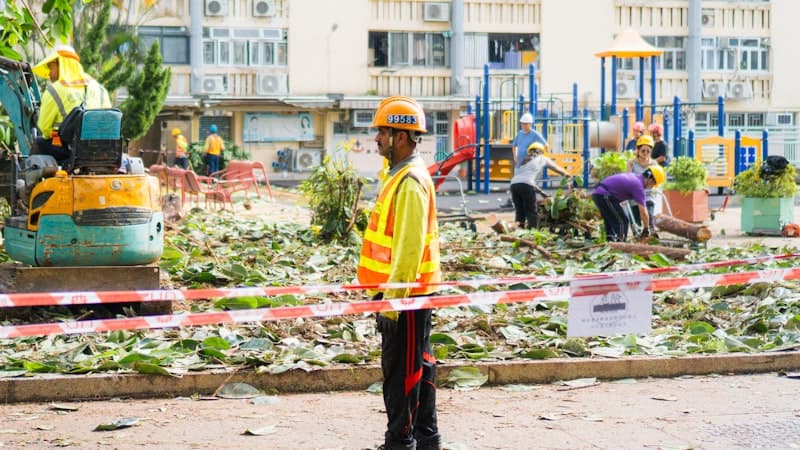
If your property experiences storm damage, safety comes first. Never approach hanging branches, downed trees on power lines, or unstable situations. Our emergency tree service responds quickly to storm damage. We handle dangerous situations professionally and efficiently, removing hazards and assessing damage to remaining trees.
Learn more about what to expect after storm damage to trees and how to protect your property going forward. Many storm-damaged trees can recover with proper pruning, while others need removal.
Minnesota's summer storms are inevitable, but their impact on your trees isn't. Professional preparation now—pruning, hazard assessment, and structural improvement—dramatically reduces damage risk. Contact us for a free estimate on storm preparation pruning. We serve Minneapolis, Saint Paul, Plymouth, Brooklyn Park, Maple Grove, and Blaine with emergency-ready tree care.