Winter Tree Care Tips for Minnesota Homeowners
Winter presents unique challenges and opportunities for Minnesota tree care. Cold temperatures, heavy snow loads, road salt, and fluctuating weather create stresses that trees in warmer climates never experience. Understanding how to protect your trees during winter months and capitalize on winter's advantages helps you maintain a healthy landscape year-round. Holtz Tree Service recommends a comprehensive winter care program to keep your Central Minnesota trees strong and beautiful.
Managing Snow and Ice Load on Branches
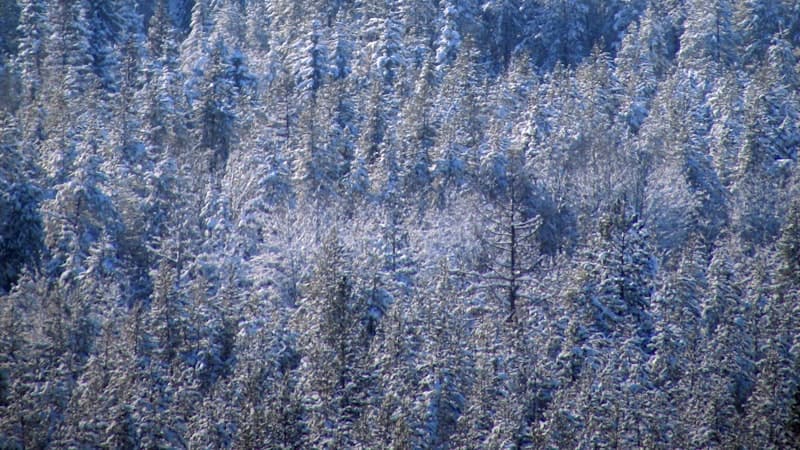
Heavy, wet snow that accumulates on evergreen branches can bend or break them under extreme weight. This damage is particularly problematic on young trees with developing structure or on ornamental specimens where branch loss is obvious. While you can't prevent snow from accumulating, you can manage it strategically.
For young trees and valuable specimens, gently brush accumulated snow from lower branches to reduce load before it becomes dangerous. Never hit branches to dislodge ice, as frozen branches are brittle and prone to breaking. Allow ice-laden branches to thaw naturally whenever possible. Patience pays dividends in preventing permanent damage to structure.
Dense evergreens like arborvitae or spruce are particularly vulnerable to snow load damage. Avoid heavy pruning on these species late in fall, as new growth remains soft and susceptible to breaking. Instead, focus on dormant season pruning in early winter before snow arrives.
Understanding Salt Damage and Prevention
Road salt used to maintain Minnesota highways and parking lots damages trees through multiple pathways. Salt spray directly injures foliage and buds, while salt absorbed by roots disrupts water uptake and damages root tissue. Trees along roadsides are particularly vulnerable to salt accumulation in soil, which worsens each winter.
If you have trees near salt application areas, irrigation in early spring helps dilute accumulated salt before trees break dormancy. Applying gypsum to soil around trees reduces salt accumulation and can reverse some salt damage. Tree-protective screening or burlap barriers prevent direct salt spray on valuable specimens near driveways or roads.
Species selection matters significantly for roadside and street-side trees. Some trees tolerate salt much better than others. Consult with professionals about salt-tolerant species for high-exposure locations. Replacing salt-damaged trees with salt-tolerant varieties prevents recurring problems.
Winter Pruning Benefits and Best Practices
Winter offers surprising advantages for tree pruning. Without leaves to block your view, you can see branch structure clearly and prune more precisely. More importantly, trees compartmentalize wounds better when pruned during dormancy than during active growth. Pruned in winter, trees seal wounds during spring growth, minimizing infection risk.
This makes winter ideal for general tree trimming and branch removal. However, remember the critical exception: avoid pruning oak trees in Royalton and throughout Minnesota during growing season due to oak wilt disease. Oaks can be pruned safely in winter, making the dormant season perfect for that work.
Avoid using wound sealants on trees pruned in winter. Research shows trees heal naturally without sealers, and preventing air circulation in fresh wounds may actually inhibit compartmentalization. Make clean cuts using sharp tools, and allow trees to heal naturally.
Frost Cracks and Temperature Fluctuations
Frost cracks occur when rapid temperature swings stress the trunk. On sunny winter days, the south or west side of the trunk warms in sunlight. When temperatures plummet again at night, the outer wood contracts faster than inner wood, creating internal stress that splits the bark. The resulting crack is often dramatic and alarming, though many frost-cracked trees survive.
You can minimize frost crack risk by avoiding winter pruning of lower trunk areas, which increases sun exposure and temperature fluctuations. Young trees are particularly prone to frost cracks, so protecting the trunk of newly planted trees with tree wrap in early winter reduces risk. Remove tree wrap in spring to prevent disease and insect problems.
Animal Damage Prevention
Winter hunger drives wildlife to damage trees in ways that don't occur during other seasons. Rabbits and hares bark strip young trees, deer rub antlers on saplings, and rodents girdle the trunks of young growth. These injuries may not kill a tree immediately but can severely compromise its health and survival prospects.
Protective fencing around young trees prevents deer and rabbit damage. Tree wrap protects young trunks from gnawing damage. Removing lower branches on mature trees prevents wildlife access to browse. For valuable young plantings, consider temporary protective barriers for the winter months until trees are large enough to withstand damage.
If you notice animal damage on trees, avoid immediate pruning of damaged areas during winter. Wait until spring growth emerges to assess the extent of damage and prune appropriately. Many trees compartmentalize animal damage naturally without requiring removal.
Winter Assessment and Spring Planning
Winter's bare branches allow you to assess your entire landscape critically. Note any obvious hazards, dead wood that needs removal, or trees showing signs of disease or decline. Document these observations to guide spring maintenance planning and professional assessment. A healthy tree today requires foresight and planning for tomorrow's challenges.
Contact professionals like Holtz Tree Service during winter to schedule spring tree trimming and pruning. Winter is often the least busy season for arborists, making it an excellent time for consultation and planning. Spring work can be scheduled during the optimal weather window without emergency rush charges.
Emergency Winter Tree Service
Despite your best prevention efforts, winter storms sometimes damage trees in ways that require emergency professional attention. Heavy wet snow, ice storms, and wind can cause significant damage overnight. Professional removal of dangerous branches or trees cannot wait until spring if safety is compromised.
Keep contact information for emergency tree services readily available throughout winter. When storms strike, calling immediately ensures faster response times before tree damage creates hazardous conditions around your home or property.
Need Professional Help?Holtz Tree Service provides expert winter tree care throughout Central Minnesota. Call us at (612) 600-8513 or request a free estimate today.