Shrub Trimming in Minnesota: Timing and Techniques
Proper shrub trimming keeps your Minnesota landscape healthy, attractive, and vigorous. However, trimming at the wrong time can reduce flowering, create disease entry points, or promote weak growth. Different shrub types require different timing and techniques. This guide explains when to trim various shrubs and how to do it correctly.
Spring-Blooming Shrubs: Trim After Flowering
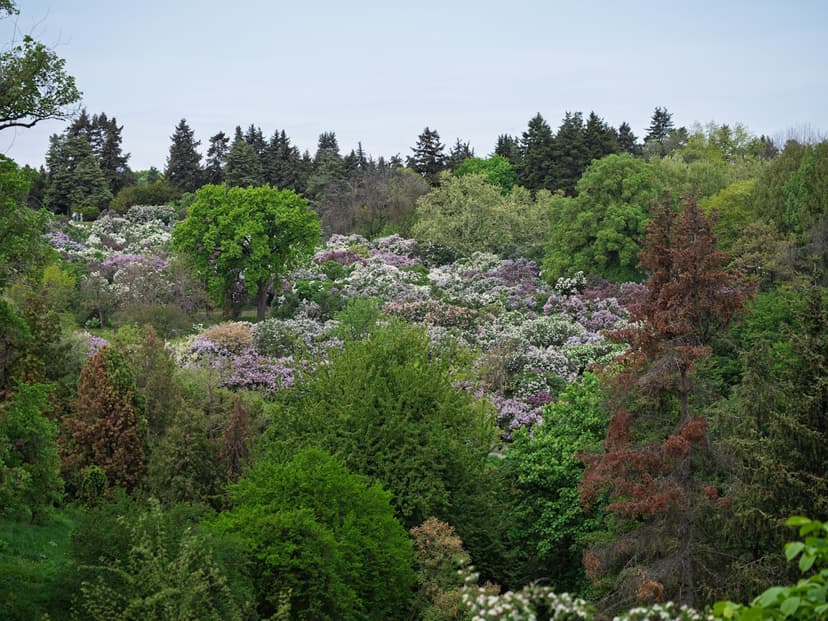
Spring-blooming shrubs like lilacs, forsythia, and serviceberry form flower buds in late summer and fall for the following spring. Trimming them in early spring or winter removes those precious buds and eliminates your blooms for the season.
The correct timing is immediately after flowering ends in late May or early June. At this point, the shrub begins forming next year's buds. By trimming right after bloom, you remove spent flowers and shape the plant before new buds develop. Avoid trimming again until next year's bloom ends.
For lilacs specifically, trim only the spent flower panicles in summer unless major pruning is needed. Hard pruning of lilacs should be done immediately after blooming. The same applies to flowering cherries, viburnum, and other spring bloomers.
Summer-Blooming Shrubs: Trim in Spring
Summer-blooming shrubs like hydrangeas, butterfly bush, and potentilla produce flowers on new growth. These shrubs should be pruned in early spring (April-May in Minnesota) before new growth emerges. Spring trimming stimulates vigorous new shoots that will flower profusely in summer and fall.
You can prune summer-blooming shrubs more aggressively than spring bloomers. Remove dead winter wood, shape the shrub, and reduce height if needed. Hard pruning back to the base or to a framework of main stems actually promotes better flowering and plant form.
Panicle hydrangeas and other late bloomers benefit from spring renewal pruning, where you cut back stems to 2-3 feet in height. New growth emerges and flowers abundantly. Never prune these in fall, as you'll remove flower buds.
Evergreen Shrubs: Timing Varies by Type
Evergreen shrubs like boxwood, yew, and arborvitae require different approaches. Dense evergreens used for hedging can be lightly trimmed several times during the growing season (spring through mid-August) to maintain shape and density. Heavy shearing in late fall or winter can damage them.
Needle-leafed evergreens like yews and junipers tolerate only light trimming. Remove dead branches anytime, but avoid heavy pruning during dormancy. Prune in spring or early summer when new growth is present, allowing the plant to heal quickly.
Broadleaf evergreens like holly can be pruned in spring before growth starts. Trim in late summer (August) if second pruning is needed, but avoid fall pruning that might damage tender new growth before winter.
Proper Shrub Trimming Techniques
Technique matters as much as timing. Use sharp, clean pruning tools—dull blades tear bark and create disease entry points. Sterilize pruners between cuts with rubbing alcohol if moving between diseased plants.
Always cut just above a bud or branch node, angling the cut away from the bud to shed water. Avoid cutting too close (less than ¼ inch), which damages the bud, or too far (more than ½ inch), leaving a stub that dies back. Remove crossing, dead, or diseased branches first, then shape the overall plant.
Avoid shearing broadleaf shrubs into balls or cubes, which forces them into unnatural shapes and results in dense outer growth with hollow interiors. Instead, use selective pruning to open the plant, removing entire branches to maintain natural form and improve air circulation.
Common Shrub Trimming Mistakes to Avoid
One major mistake is topping shrubs, cutting them back to uniform height like a hedge when they should have a natural form. This creates dense, twiggy regrowth that looks unnatural and flowers poorly. Instead, remove entire branches to maintain the shrub's natural character.
Another error is trimming in late fall or winter. Minnesota's harsh freeze-thaw cycles can damage fresh cuts, killing branch tips. Trimming in spring or early summer allows plants to heal before winter dormancy.
Over-trimming is also problematic. Remove no more than one-third of the shrub's growth in a single year. For neglected, overgrown shrubs, spread renewal pruning over 2-3 years, removing one-third of the oldest stems each year.
Shrub Trimming by Season in Minnesota
Spring (April-May): Prune summer-blooming shrubs before growth begins. Remove winter-damaged branches. Trim evergreens lightly. Begin maintenance trimming of hedge plants.
Early Summer (June-July): Prune spring-blooming shrubs immediately after flowers fade. Trim hedges and evergreens as needed. Avoid heavy pruning during hot weather.
Mid-to-Late Summer (August): Final hedge trimming should be completed by mid-August to avoid promoting tender fall growth. Light maintenance trimming is acceptable; avoid major pruning.
Fall and Winter: Avoid pruning during fall dormancy and winter. Exception: Remove dead branches or hazardous growth anytime.
When to Call a Professional
For large shrub beds, overgrown shrubs requiring renewal pruning, or delicate specimen plants, professional shrub maintenance ensures optimal results. Experienced arborists understand species-specific requirements and can rejuvenate neglected plantings.
Proper timing and technique keep your Minnesota shrubs beautiful and productive. Check out our spring tree care checklist for a complete seasonal guide, and contact us for a free estimate on professional shrub maintenance.