How to Protect Trees During Construction Projects: A Homeowner's Guide
Adding a deck, expanding your home, installing utilities, or clearing land near trees requires careful planning to prevent damage. Tree roots extend far beyond the visible canopy—often 1.5-3 times the branch spread—and even seemingly minor construction impacts can injure trees, triggering decline and eventual death. With proper precautions, you can build safely while preserving mature trees that took decades to grow.
Pre-Construction Arborist Consultation
Before any construction begins, consult an experienced arborist to assess trees on and near your project. An arborist identifies which trees can tolerate construction impacts and which require protection. They recommend strategies for preservation and can mark tree protection zones on site plans.
This consultation should happen during project planning, before permits are finalized or contractors mobilize. Early involvement prevents costly construction changes or tree loss. Many cities, including Minneapolis and Saint Paul, require arborist surveys for development projects affecting trees.
Document the arborist's recommendations in writing and share them with all contractors. Make tree protection a contract requirement with financial penalties for violations. Contractors should understand that damaging protected trees isn't just poor practice—it may violate city ordinances.
Establish and Maintain Tree Protection Zones
The critical root zone extends from the tree's trunk to its drip line (the outer branch edge) and beyond. For most trees, protect from the trunk outward at least 1 foot of radius per inch of trunk diameter. A tree with a 12-inch diameter trunk needs protection extending 12 feet from the trunk center.
Mark protection zones with temporary fencing before construction begins. Use 4-6 foot high visible fencing that contractors can't miss. Place fencing around the base of trees and along the perimeter of the critical root zone. Include signage indicating "Protected Tree—No Equipment, Materials, or Personnel."
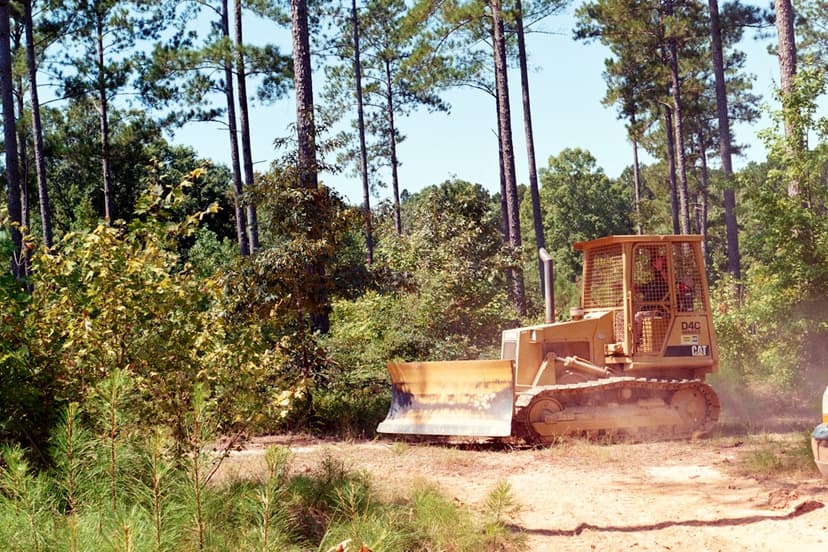
Keep the interior of the protection zone clear of construction equipment, material staging, soil, debris, and personnel. Never park heavy machinery within the zone, even temporarily. Equipment compacts soil, damages roots, and injures bark. One heavy equipment pass can severely harm tree roots.
Grading and Soil Disturbance
Changing ground level around trees is extremely damaging. Cutting soil (removing soil around the tree) exposes roots and kills root tips, cutting off water and nutrient absorption. Even shallow cutting—lowering grade by a few inches—can kill established trees.
Filling soil (adding soil around the tree) compacts the root zone, restricts oxygen to roots, and can eventually cause root rot and tree decline. If your project requires grading changes, keep any fill shallow and extend it gradually away from the tree, creating a slope that preserves the original soil level near the trunk.
Alternative solutions include terracing (creating level areas with walls) or installing root-barrier walls several feet from the tree trunk to shield roots from fill material. An arborist can design solutions that minimize tree impact while allowing necessary grading.
Protecting Tree Trunks and Lower Branches
Equipment, vehicles, and materials can damage bark and branches. Install sturdy trunk guards—2x2 or 2x4 inch lumber wrapped around the lower trunk, protecting it from impacts. Trunk guards are particularly important for young trees with thin bark and heavy construction with graders, dozers, or dump trucks moving nearby.
Trim low branches that hang over equipment paths or staging areas, but only if necessary for safety. Prune correctly (see our tree trimming service for proper technique), removing entire branches at the branch collar. Never bruise, break, or hang equipment on branches.
If branches must be removed during construction, do this work during dormant season (late fall through early spring) to minimize stress. Spring pruning on fresh cuts can promote disease in some species.
Utility Line Considerations
Many construction projects involve installing or relocating utilities—water lines, sewer, electrical, gas, and communications. Underground utilities can slice through roots, killing trees. Before any digging, mark utility lines and have them located and flagged by professional utility locating services.
If utilities must cross under the tree protection zone, hand-dig carefully to expose roots before major excavation. Create small tunnels under roots where possible rather than cutting them. If roots must be cut, do so cleanly with sharp tools to minimize tearing.
Work with contractors and utilities to route lines outside the protection zone when possible. Slightly longer utility runs cost less than losing a mature tree. Document all utility work near trees in case issues develop later.
Ensuring Post-Construction Tree Health
Even with precautions, construction stresses trees. After work completes, monitor protected trees closely for signs of decline. Wilting leaves, sparse foliage, or branch dieback may indicate root damage. Wait at least one full growing season before concluding construction caused permanent damage, as recovery can take time.
Avoid major pruning or other stress immediately after construction. Let trees recover for a year or two. Water during dry periods—stressed trees are more vulnerable to drought. Apply mulch in the protection zone to conserve moisture and moderate soil temperature, but keep mulch a few inches from the trunk to prevent rot.
If decline persists, consult an arborist. Some trees can be saved with reduced watering, pruning, or targeted treatments. Others may need removal if damage is severe.
When Professional Tree Service Is Needed
If your construction project requires removing or trimming trees, professional tree removal and land clearing services ensure safety and compliance with local regulations. Minneapolis and other Twin Cities cities have tree regulations—removing protected trees without permits can result in fines.
Protect your trees during construction through early planning, expert consultation, and contractor accountability. Contact Holtz Tree Service for a pre-construction arborist consultation and ensure your trees survive your building project.