Identifying and Removing Invasive Buckthorn from Your Property
Buckthorn stands out as one of Minnesota's most destructive invasive plant species, degrading native ecosystems and reducing property values across Central Minnesota. If your land is infested with buckthorn, understanding how to identify it and remove it effectively is crucial. Holtz Tree Service specializes in invasive species removal, including comprehensive buckthorn elimination that prevents regrowth and restores your landscape.
How to Identify Buckthorn
Buckthorn is deceptively easy to miss until it becomes established and dominates your property. The plant typically grows as a multi-stemmed shrub or small tree, reaching heights of 15-20 feet in favorable conditions. Here are the key identifying characteristics:
- Dark berries: The most distinctive feature is clusters of small, dark purple or black berries that ripen in fall. These berries persist on the plant well into winter, making fall and winter the easiest identification times.
- Late leaf retention: Buckthorn holds its leaves well into fall and early winter, long after native Minnesota plants have gone dormant. This delayed senescence is a reliable identifier.
- Leaf characteristics: Oval leaves with finely serrated edges are arranged alternately on stems. The leaves are dark green and somewhat waxy in appearance.
- Thorny twigs: Many species have small thorns at branch tips, though not all buckthorn types display this feature prominently.
- Bark pattern: Young stems are smooth and green, while older bark becomes gray-brown and somewhat shredded in appearance.
The combination of persistent dark berries and late leaf drop makes fall and early winter the best seasons to scout your property for buckthorn. Birds eat the berries and spread seeds to new areas, which is why buckthorn infestations often appear suddenly and spread rapidly through a property.
Why Buckthorn is a Serious Problem
Buckthorn is not merely unsightly—it's an aggressive invasive that damages your property in multiple ways. The plant produces enormous quantities of berries that birds spread throughout the landscape, creating new infestations. Its extensive root system and dense growth habit crowd out native plants, eventually leaving you with a monoculture that's far less valuable for wildlife and far less aesthetically pleasing than a diverse native landscape.
Ecologically, buckthorn depletes soil moisture and nutrients that native plants need. It allelopathic properties—it releases chemicals that inhibit other plants' growth—giving it an unfair competitive advantage. A property dominated by buckthorn becomes a biological desert with minimal value for birds, butterflies, and other wildlife that require diverse native plants.
Removal Methods and Effectiveness
Successful buckthorn removal requires understanding that a single approach rarely solves the problem completely. Most properties need integrated removal strategies combining multiple techniques:
Manual removal: Smaller buckthorn plants can be pulled or dug out, with the critical step being complete root removal. Even small root fragments can regenerate, so thorough extraction is essential. This method works best for isolated plants or small infestations caught early.
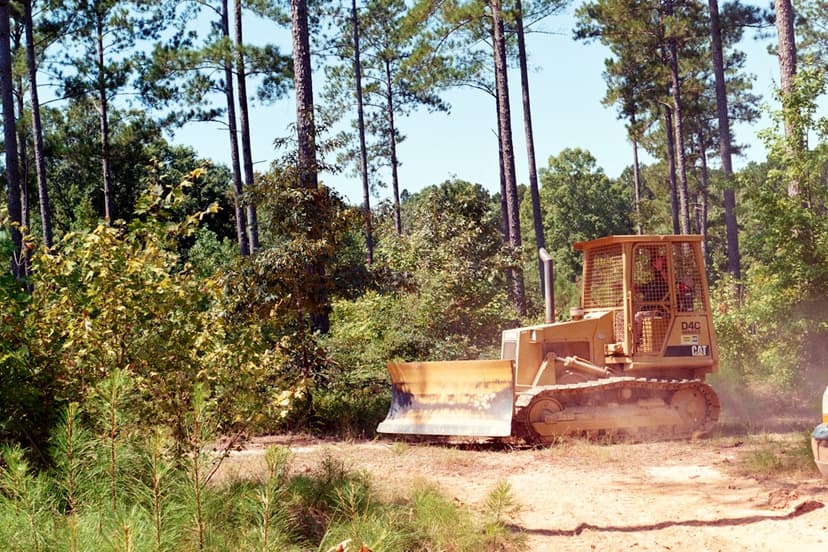
Mechanical cutting and grinding: Larger buckthorn plants must be cut down first, then stumps treated with herbicide to prevent regrowth. Our land clearing services use professional equipment to remove large populations efficiently. Cut material should be chipped and removed rather than left on-site, as stems can sometimes re-root.
Chemical treatment: Herbicide application to freshly cut stems prevents the characteristic buckthorn regrowth from dormant buds. Professional application ensures proper timing and product selection for maximum effectiveness. This is often the most reliable method for preventing regrowth.
Brush chipping: Once buckthorn is removed, chipping remaining debris into manageable mulch makes cleanup practical. Our professional chipping services handle large quantities efficiently.
Native Alternatives for Restoration
Removing buckthorn is only the first step. For long-term success, replant the area with native Minnesota species that fill similar ecological niches. Native shrubs that can replace buckthorn include:
- Serviceberry: Provides early flowers, edible berries for wildlife, and excellent fall color
- Nannyberry: Attractive white flowers and blue-black berries birds love
- Dogwood species: Red-twig dogwood and other species offer winter interest and wildlife value
- Chokecherry: Dense growth habit with white flowers and dark berries
- Hazelnut: Native shrub with wildlife value and interesting form
A landscape restored with native species becomes healthier, more beautiful, and far more valuable to Minnesota's wildlife. The diversity of native plants supports insects, birds, and other fauna that buckthorn monocultures cannot.
Prevention of Future Infestation
After removing buckthorn, prevent reinfestation by managing bird-dispersed seed sources in surrounding areas. Monitor your property regularly for new seedlings—catching them early is far easier than managing established plants. In some cases, applying herbicide to cut areas in subsequent years prevents dormant seed germination.
Maintaining healthy native vegetation provides natural competition against buckthorn and other invasives. Diverse, well-managed landscapes are inherently more resistant to invasion than degraded or thin landscapes.
Professional Help Makes All the Difference
Buckthorn removal at any significant scale is best handled by professionals who understand the biology of the species and have appropriate equipment and expertise. Incomplete removal or improper technique often leads to regrowth or spread rather than eradication. Our specialized buckthorn removal services combine cutting, herbicide treatment, and chipping into comprehensive solutions that eliminate the problem rather than postponing it.
Need Professional Help?Holtz Tree Service provides expert buckthorn removal and restoration throughout Central Minnesota. Call us at (612) 600-8513 or request a free estimate today.