How to Tell If a Tree Is Dead or Dying
As a Minnesota homeowner, understanding the health of your trees is essential for maintaining a safe and attractive landscape. A dead or dying tree doesn't just look unsightly—it can become a serious safety hazard for your property. Whether due to disease, pest damage, harsh Minnesota winters, or environmental stress, identifying tree decline early can help you take appropriate action before the situation becomes critical.
Check for Bark Damage and Peeling
One of the most visible signs that a tree may be dead or dying is deteriorating bark. Healthy bark should be relatively intact and firmly attached to the trunk. If you notice large sections of bark peeling away, flaking off, or missing entirely, this indicates the tree is struggling or dead. The bark serves as a protective layer for the tree's vascular system, so when it's compromised, the tree cannot transport water and nutrients efficiently.
In Minnesota, we see significant bark damage from winter frost cracks, animal damage, and storm events. Take time to inspect your trees regularly, especially after severe weather. Dead or dying trees may have bark that comes off easily when you scratch it with your fingernail—a sign the cambium layer underneath has died.
Absence of Leaves or Green Growth
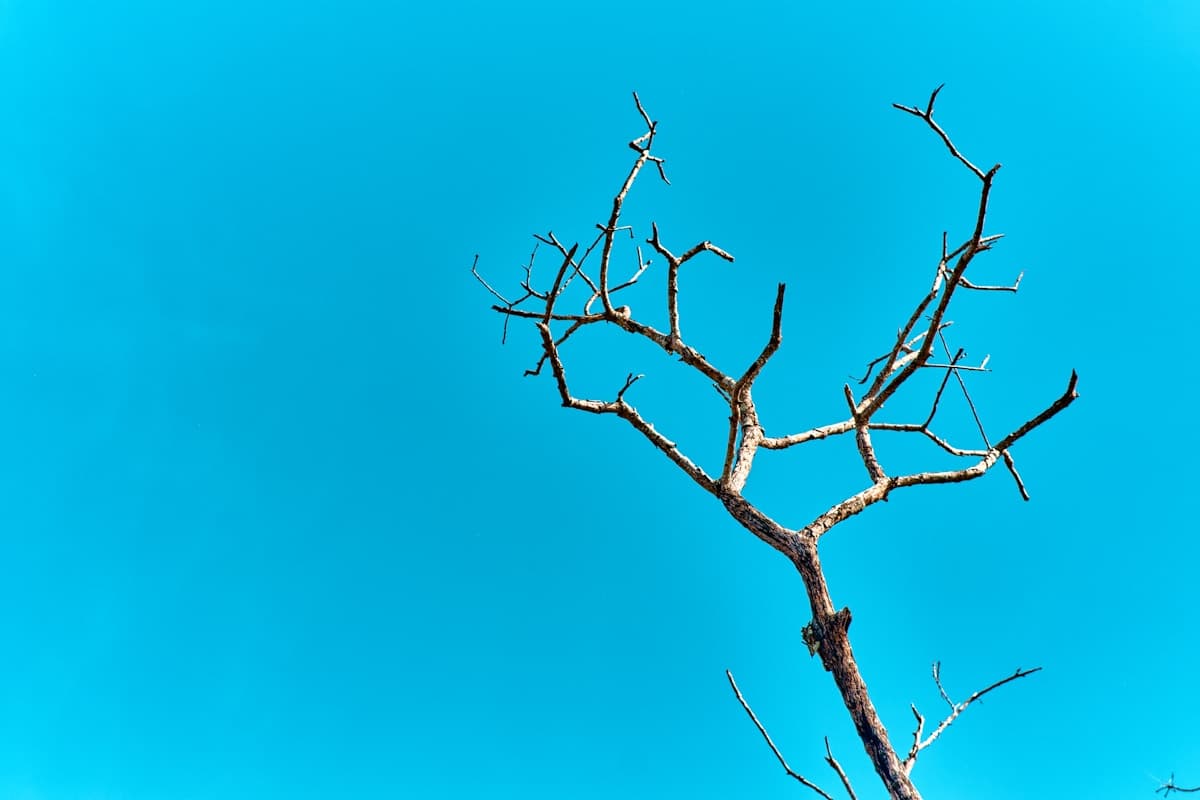
By late spring and throughout summer, healthy trees should display full, vibrant foliage. If your tree remains bare or sparse in leaves when it should be fully leafed out, this is a major warning sign. Deciduous trees that don't produce leaves by early June in Minnesota are likely dead or in serious decline.
A simple test: break a small twig from the tree. If it snaps and the interior is brown or gray, the branch is dead. If it bends and the interior is green, there's still life in that branch. Check multiple branches at different heights to get an accurate assessment.
Fungal Growth and Mushrooms
The presence of mushrooms, shelf fungi, or conks growing on the trunk or base of a tree indicates advanced decay. These fungi are decomposing the tree's wood and signal that the tree is likely dead or dying from internal rot. While some trees can survive fungal infection for years, this is a sign of serious structural compromise that requires professional evaluation.
Minnesota's humid climate and our wet springs and falls create ideal conditions for fungal growth. If you see these growths, have an experienced arborist inspect the tree to determine whether it poses a safety risk.
Brittle Branches That Break Easily
Dead or dying trees develop weak, brittle wood that snaps easily. If you can break branches by hand without bending them, or if branches fall regularly during light wind or minor weather events, this indicates a dead or severely compromised tree. Healthy tree branches should flex and require effort to break.
This brittleness develops as the tree loses water and nutrients, causing the wood to dry out and lose structural integrity. A tree in this condition becomes dangerous and should be professionally evaluated for removal.
Trunk Damage and Cavities
Large cracks, splits, or hollow cavities in the trunk are serious signs of tree decline. Significant trunk damage compromises the structural integrity of the entire tree. While some cavity damage is survivable, large cavities can make a tree unstable and dangerous, especially during Minnesota's windy spring and summer months.
If you notice any of these issues, it's time to consult a professional. An experienced arborist can determine whether the tree can be saved or should be removed for safety reasons.
Lack of New Growth
Living trees produce new growth every year—new buds in spring, new leaves, and new branch growth. A tree that shows no signs of new growth for a full season is likely dead. Compare the current year's growth to previous years; if there's noticeably less new development, the tree is declining.
What to Do If You Suspect a Dead Tree
If you notice multiple signs of decline, the safest course of action is professional evaluation. Dead and dying trees can drop large branches or fall entirely, endangering your home, family, and neighbors. Minnesota homeowners should not attempt to remove large dead trees themselves.
At Holtz Tree Service, we provide comprehensive tree evaluations to determine the health status of your trees. If removal is necessary, our team handles the entire process safely and efficiently. For more information about when a tree needs removal, check out our guide to recognizing signs your tree needs removal.
Early detection and professional care can save healthy trees and prevent accidents from dead or dying ones. Contact us today for a free estimate on tree removal or our tree removal services in the Minneapolis-St. Paul area.